made/in
The project made/in is dedicated to exploring the current state and future of textile handcrafts in India and Germany. We believe that crafts have the remarkable ability to integrate tradition with innovation, capturing the essence of both the past and the future.
This moment presents a unique opportunity for textile handcrafts to regain the attention they deserve.
Through made/in, we aim to document the realities of textile craftsmanship today in both countries and envision a sustainable future for handcraft within the fashion industry.
Kalamkari and Bandhani
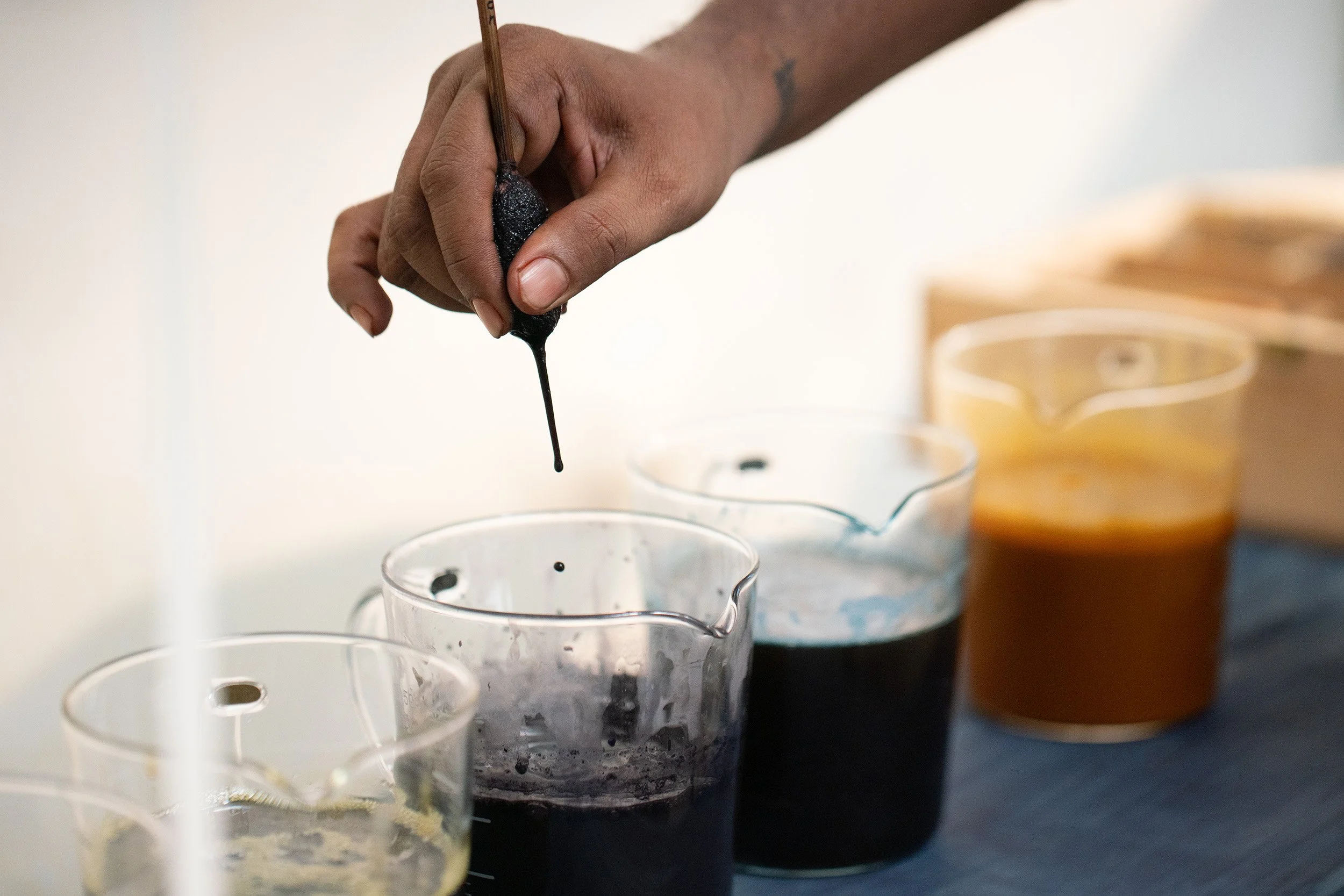
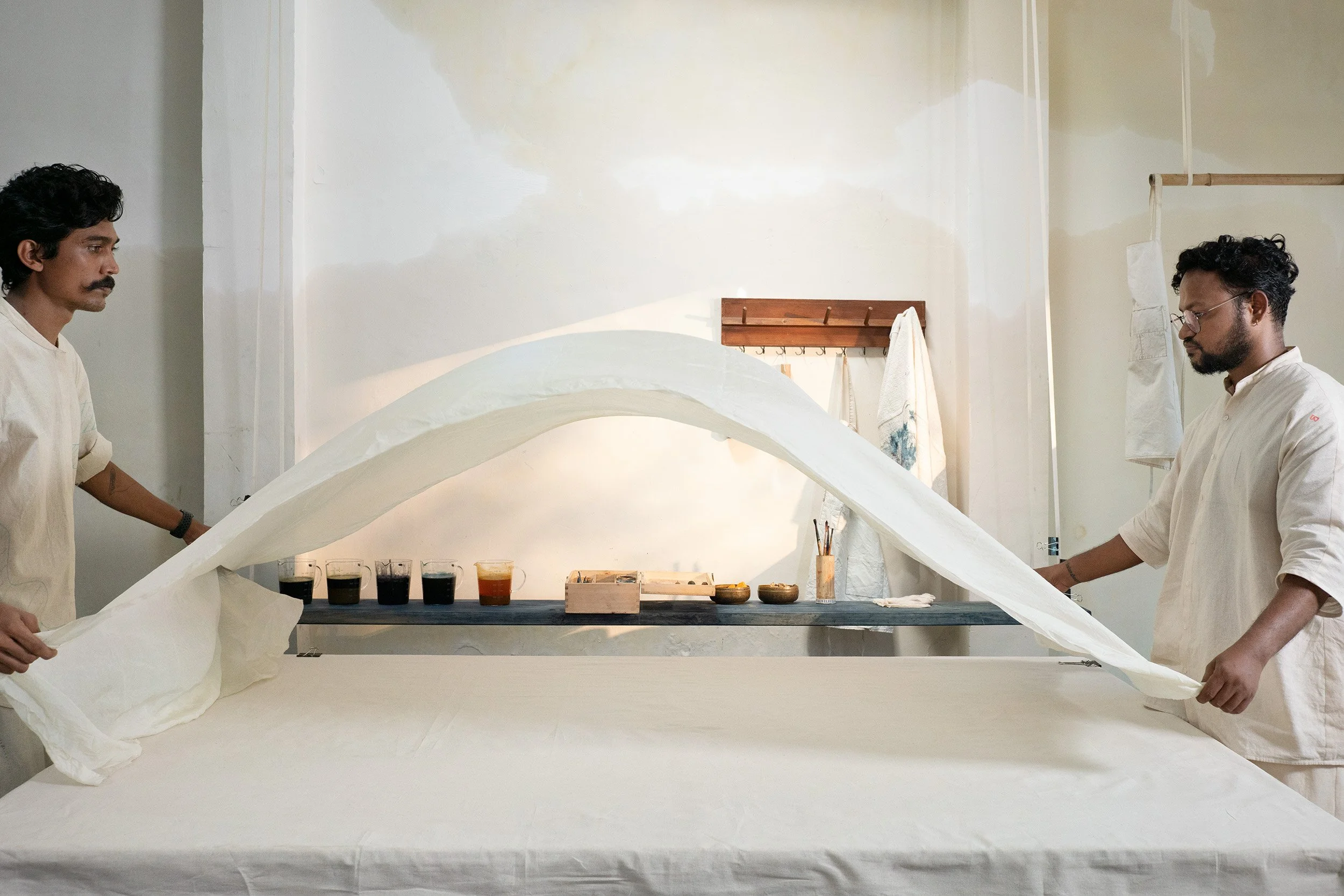
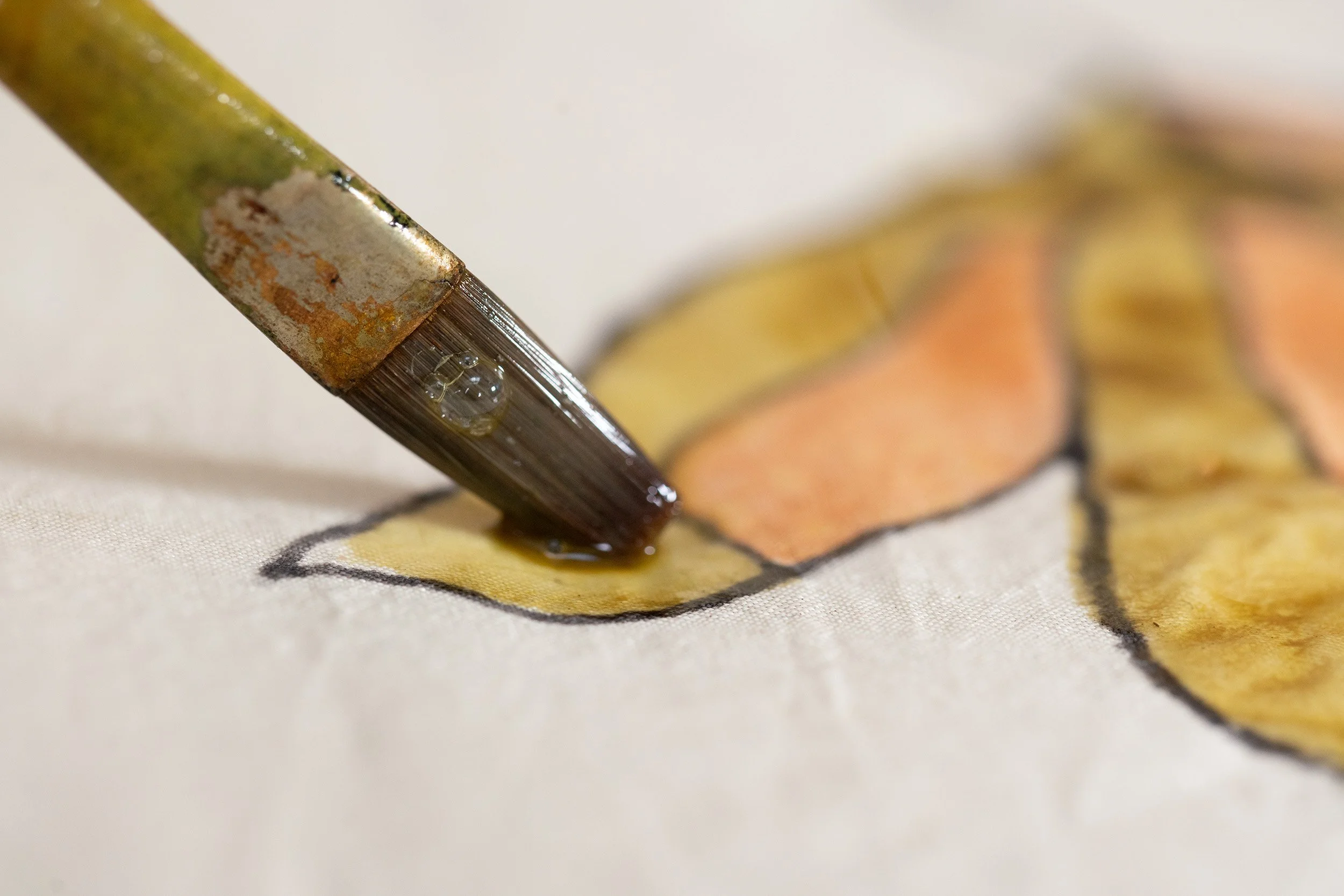
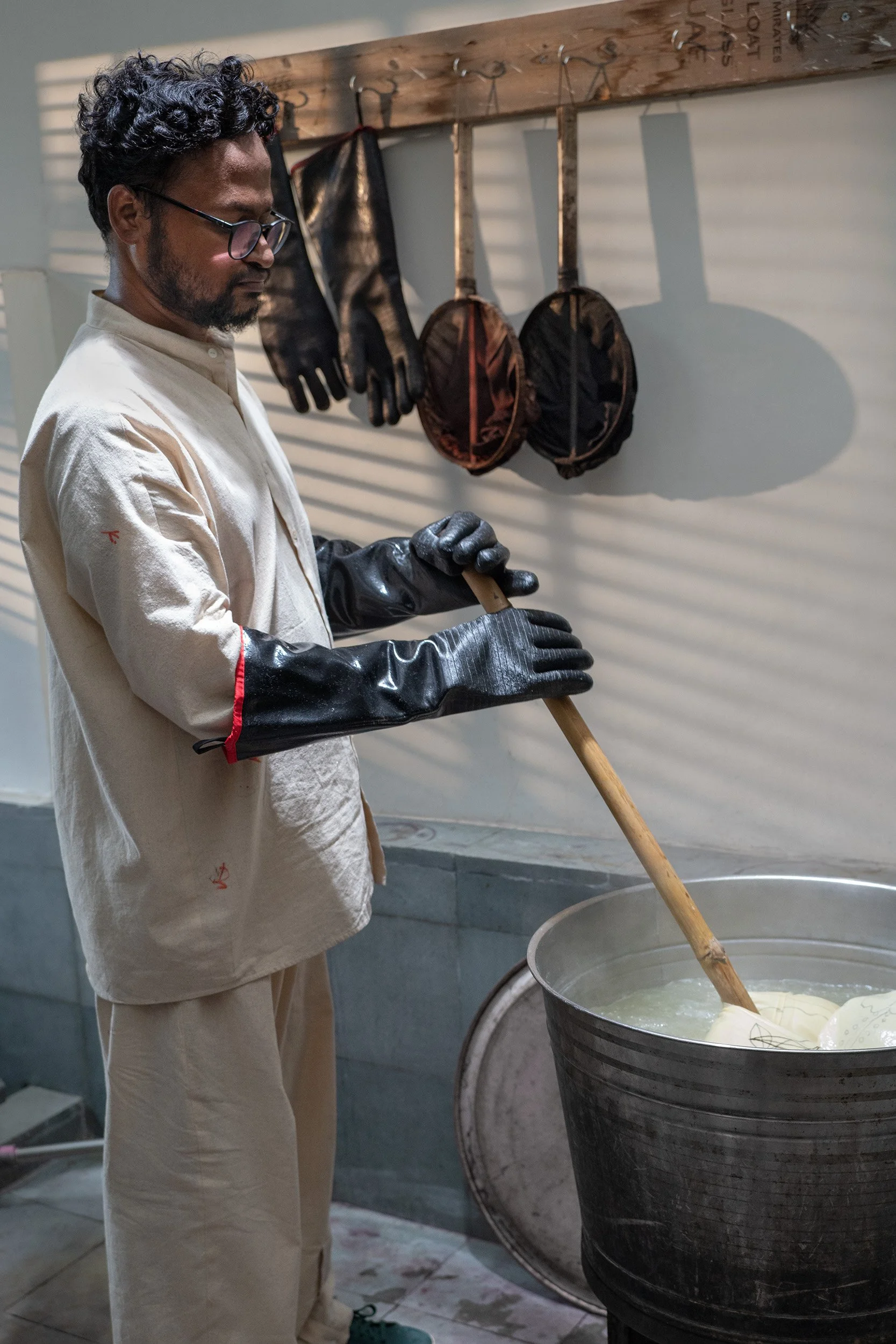
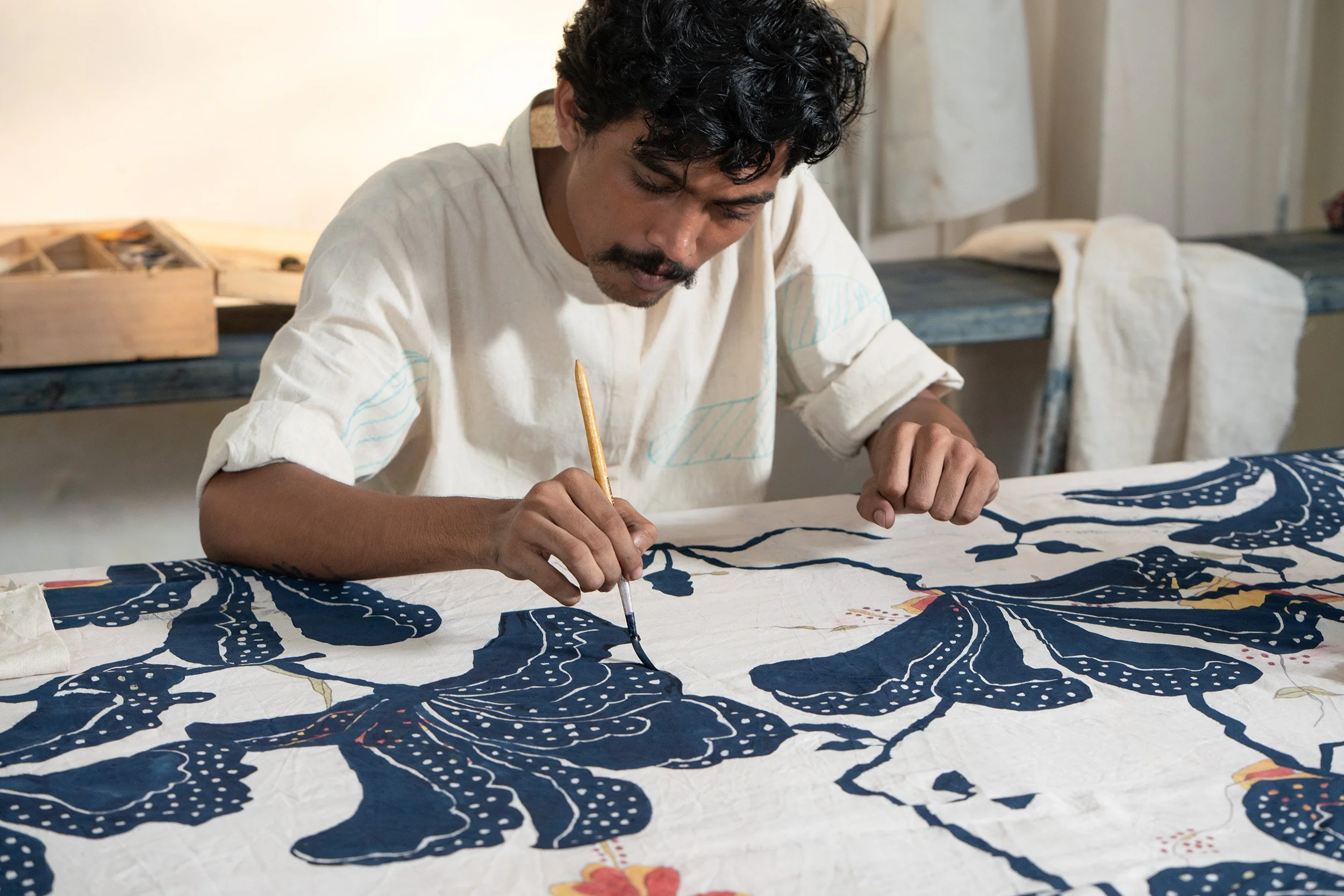
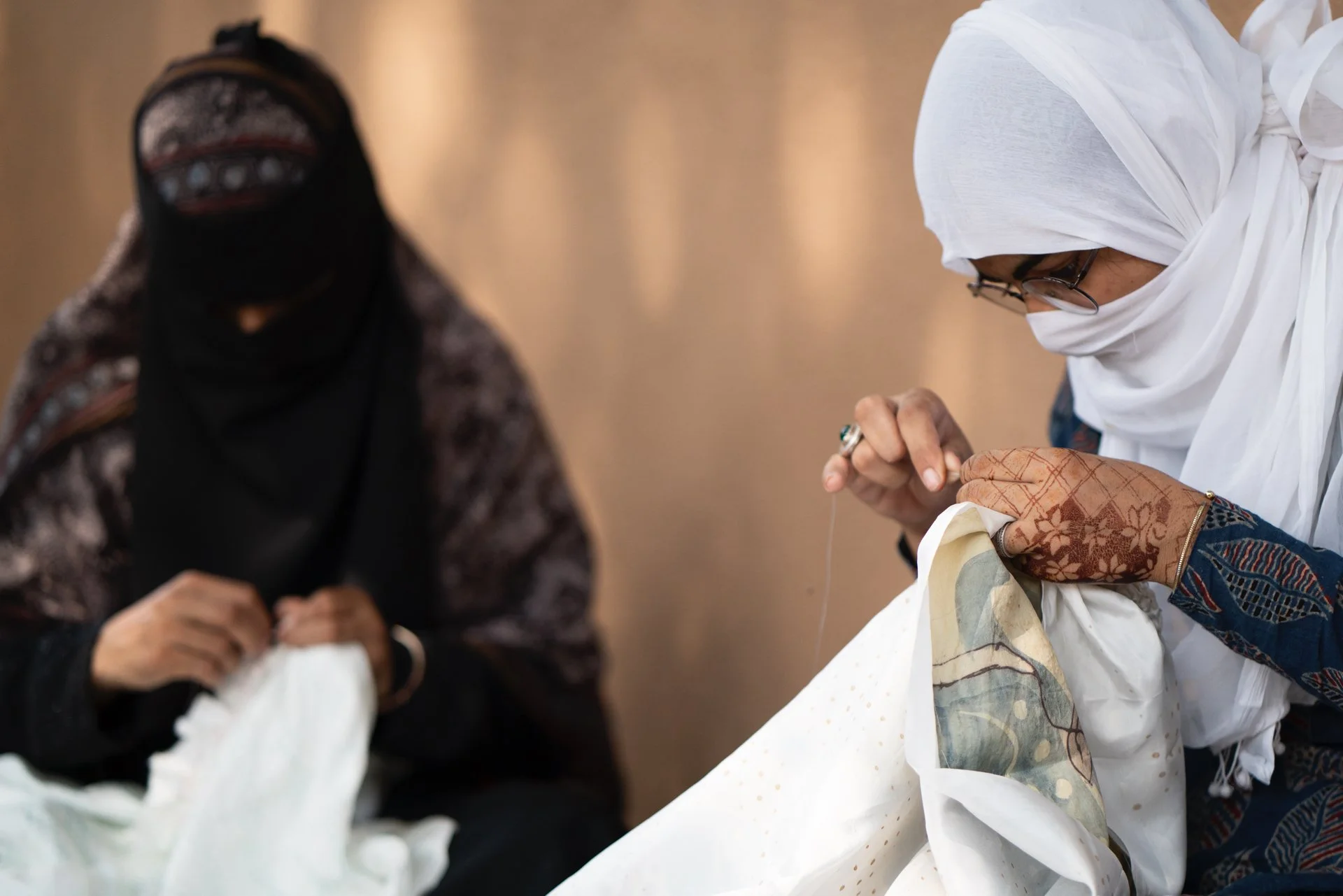
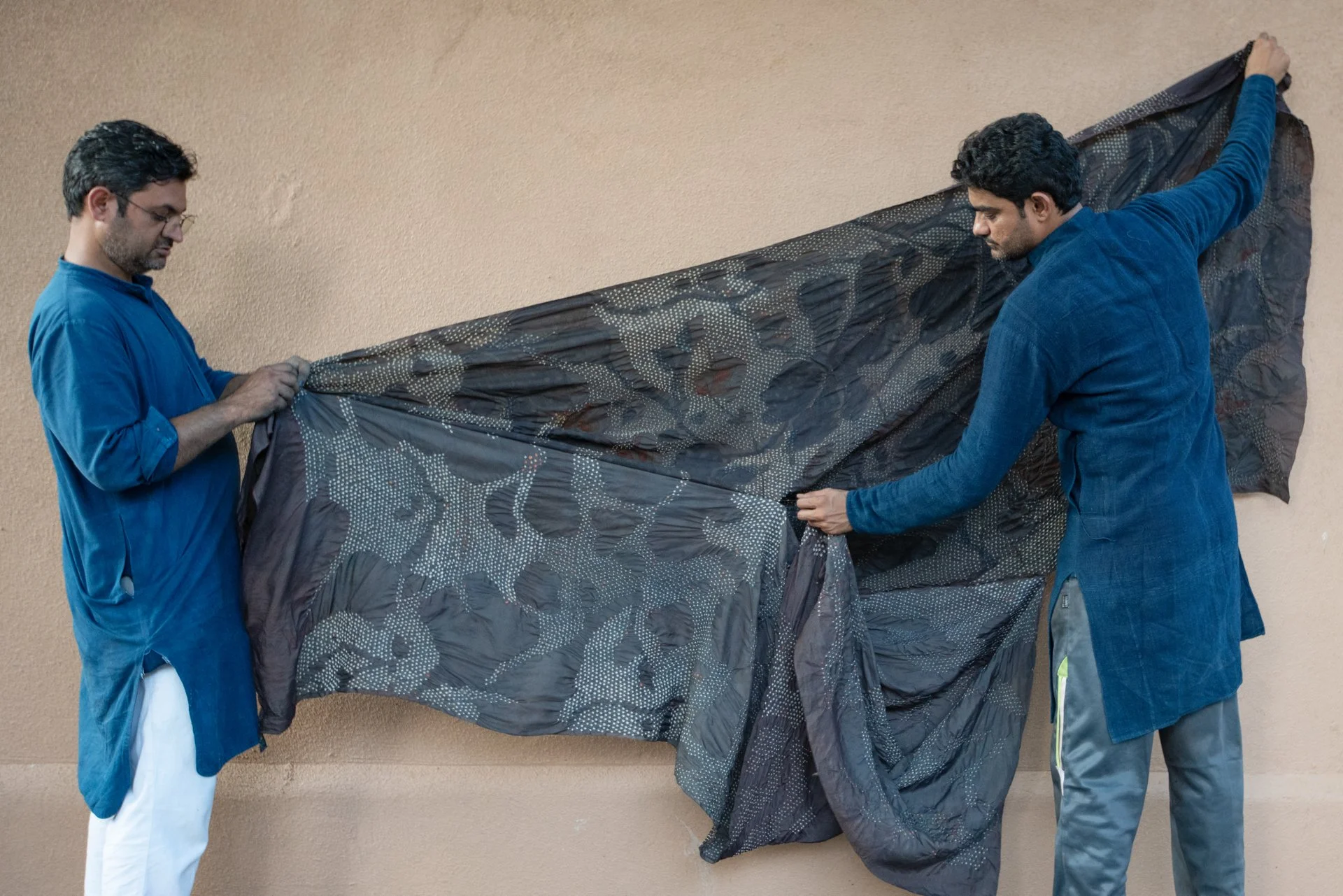
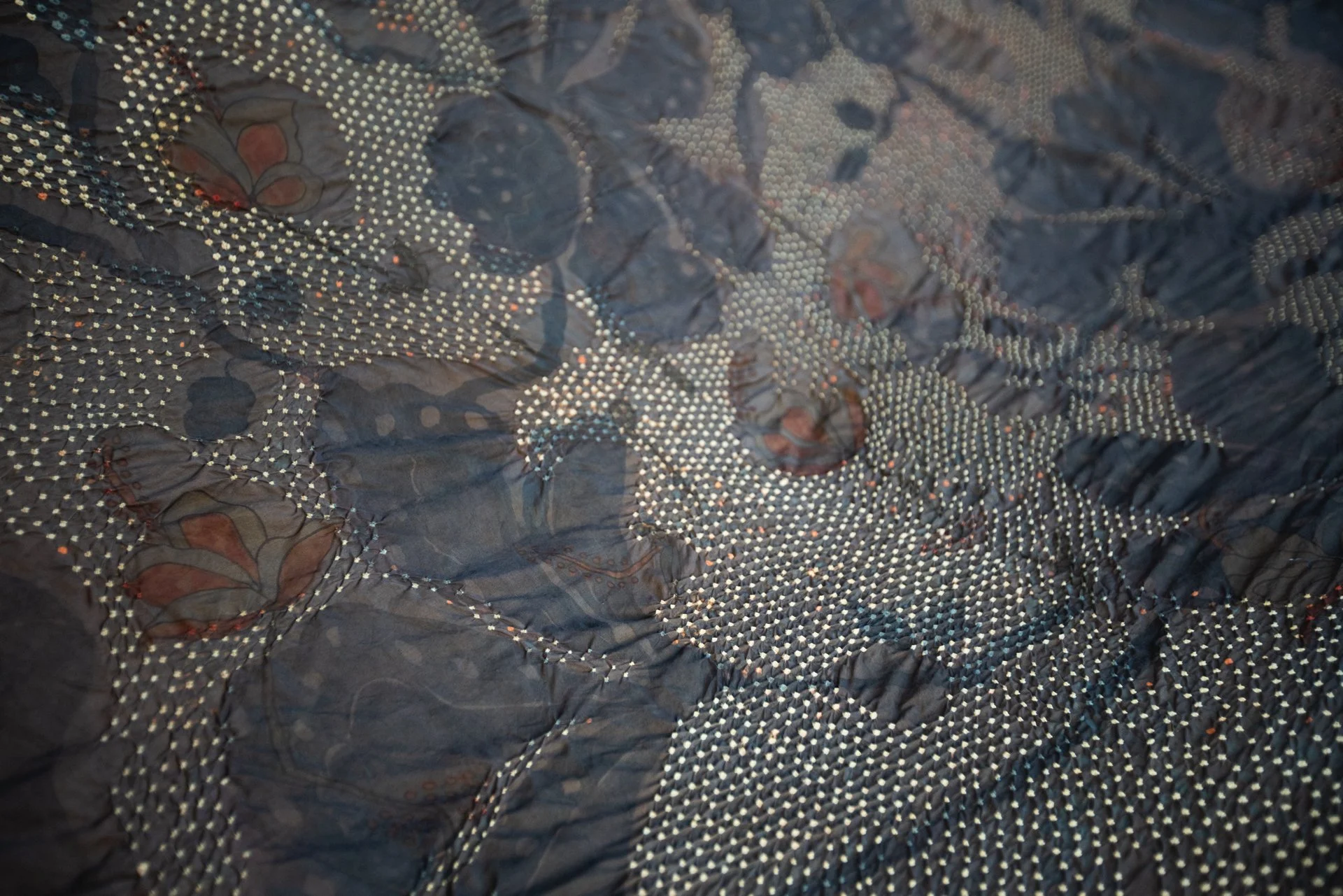
For centuries, painted textiles from India reached the far corners of the world through extensive networks of trade and commerce. These fabrics not only narrated folktales and mythological epics on their surfaces but also wove within them the diverse socio-economic history and regional artistic knowledge of the peoples of the subcontinent. Textiles decorated with the hand-painted technique of Kalamkari and the tie-dyeing process of Bandhani are prime examples of how traditional artistic practices continue to carve out a place for themselves in contemporary markets.
Kalamkari – which consists of the words kalam (pen) and kari (craftsmanship) – was initiated centuries ago by folk singers and painters. The art form eventually evolved into something truly remarkable, as the spoken word was brought to life by painting stories on fabric. Today Kalamkari continues to flourish in the southern state of Andhra Pradesh, where it is practised by master craftsmen, with knowledge of it handed down from one generation to the next. Creating Kalamkari textiles requires extensive technical skill and precision that can only be accomplished by seasoned artisans who have honed their abilities over many years.
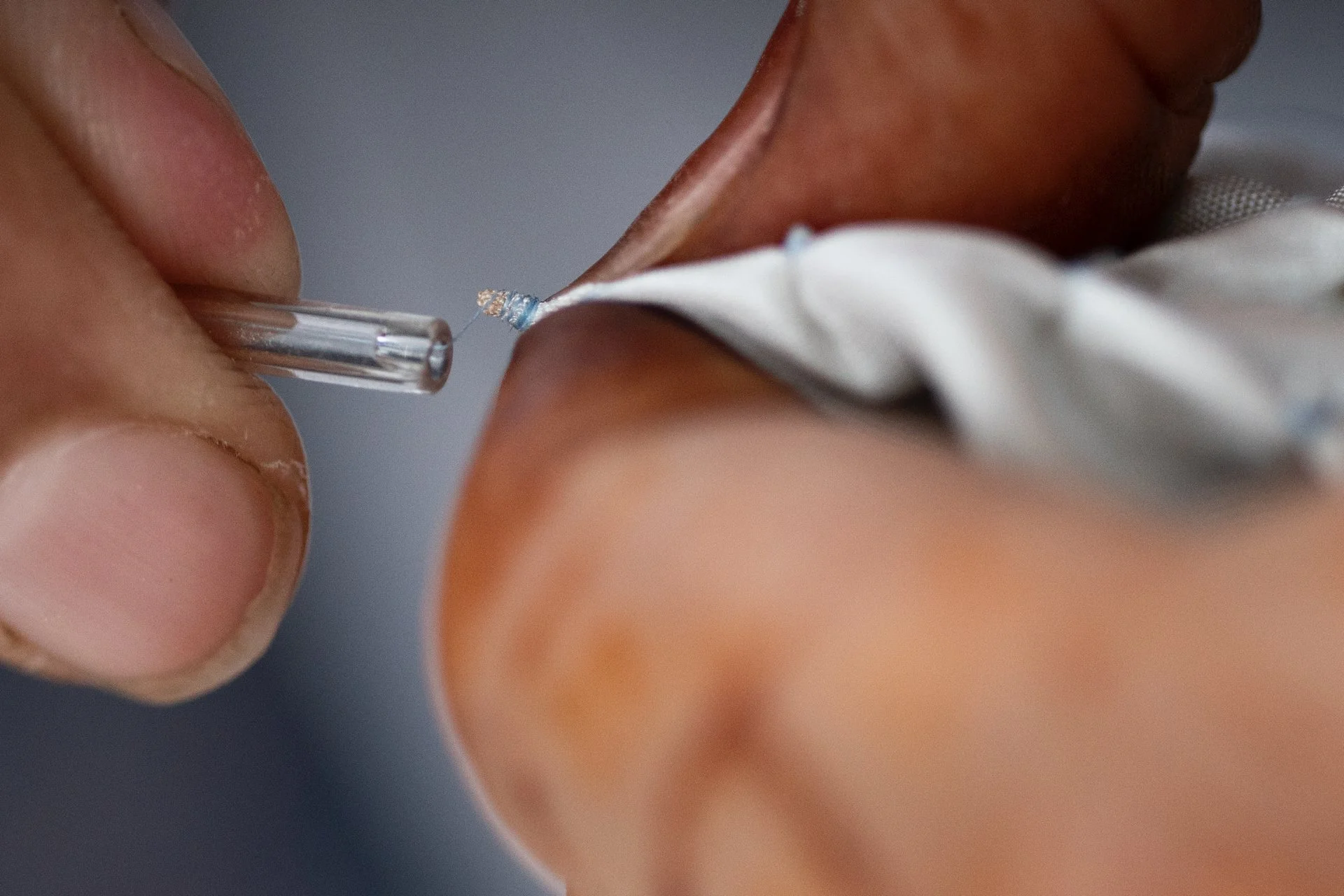
Bandhani is derived from a Sanskrit word for “to tie”. It is one of the oldest tie-dye techniques and has been practised in South Asia for more than four thousand years. A dye-resist method, it involves pulling the fabric into tight, small knots, which are tied firmly with strings and then dyed to create remarkably delicate and intricate patterns. The practice of Bandhani still thrives in the states of Gujarat and Rajasthan. Its splendid patterns are mostly seen on veils (also known as odhanis), turbans and saris. And today is also used creatively for modern and cutting-edge fashion.
Photography: Shovan Gandhi
Plissée
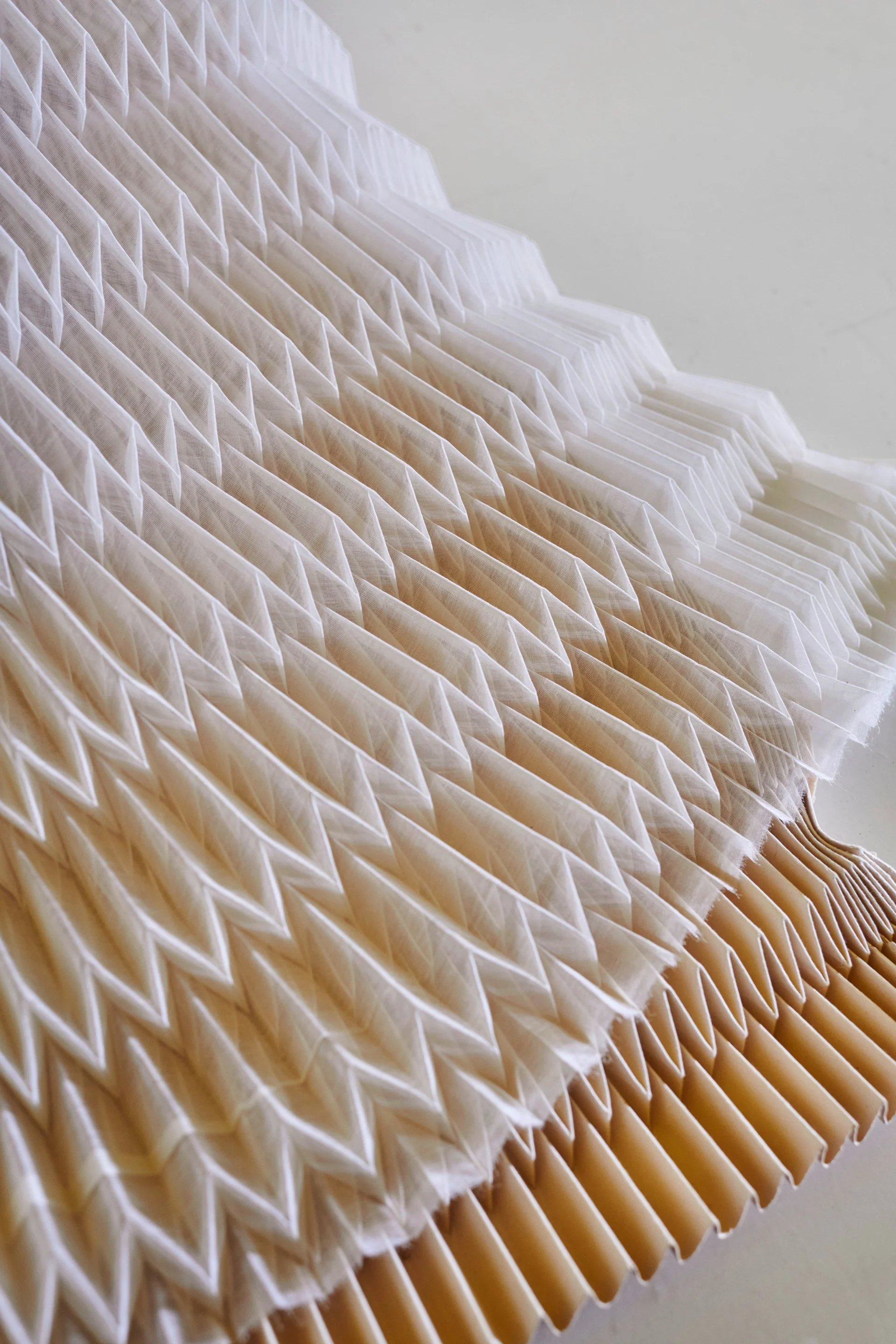
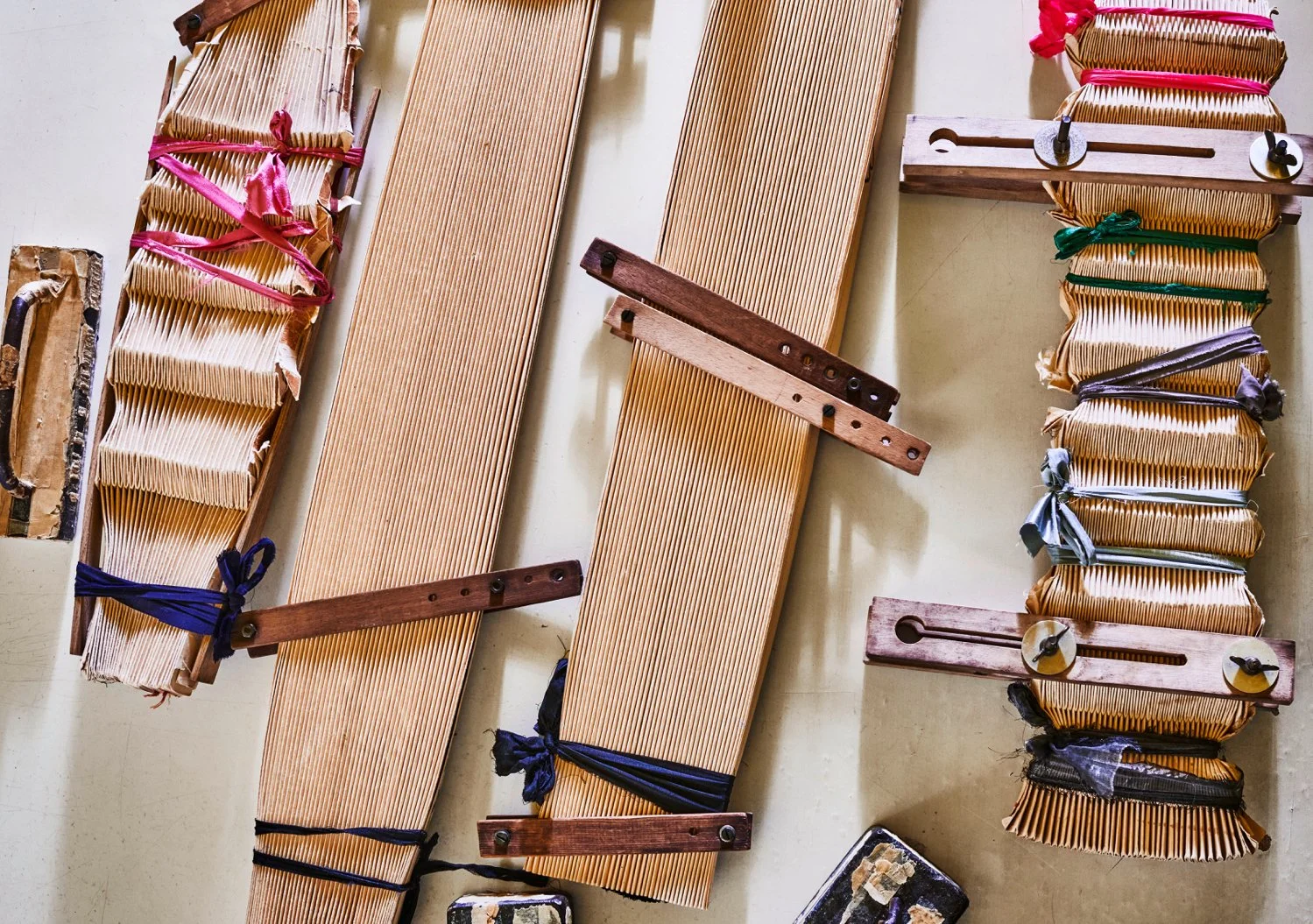
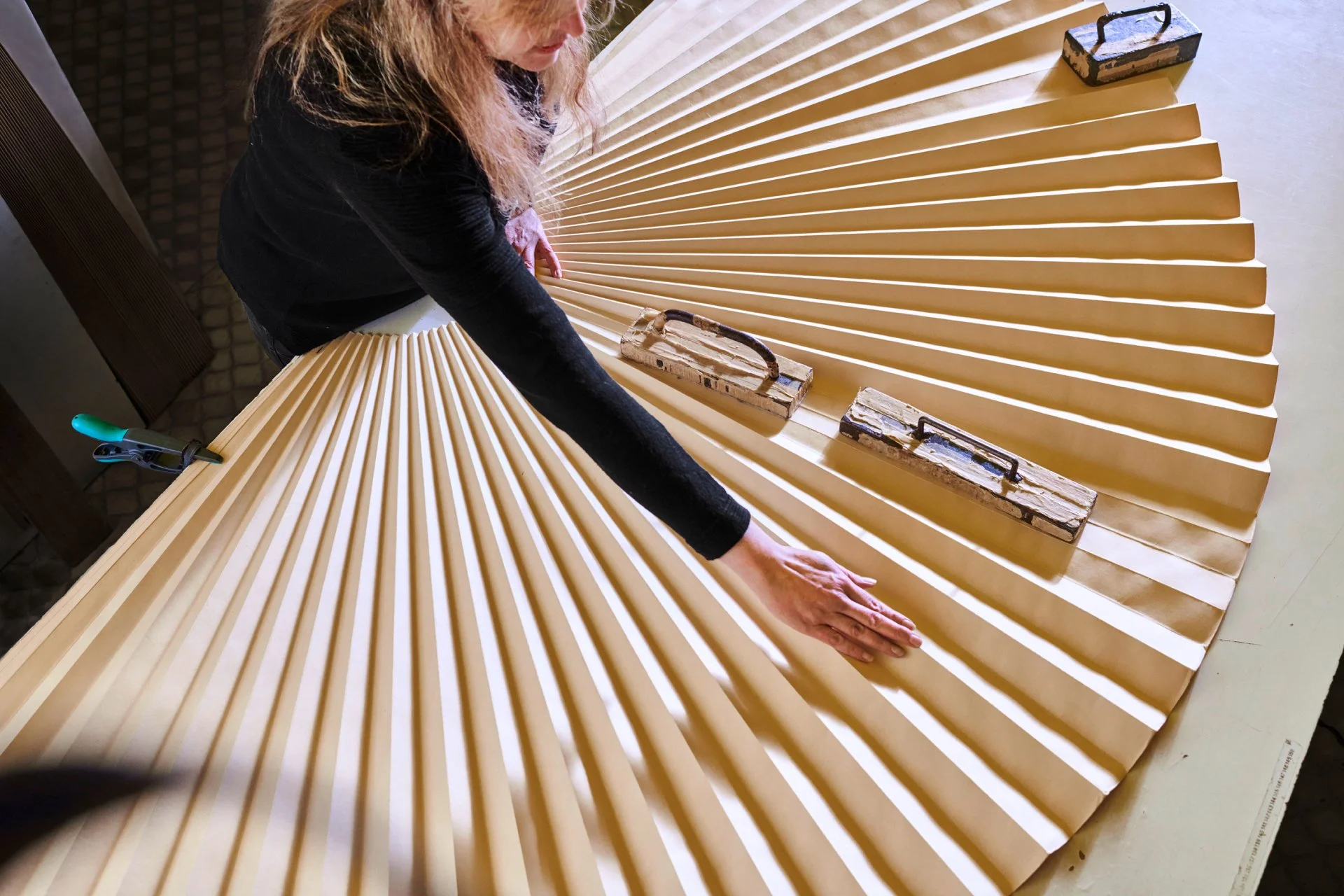
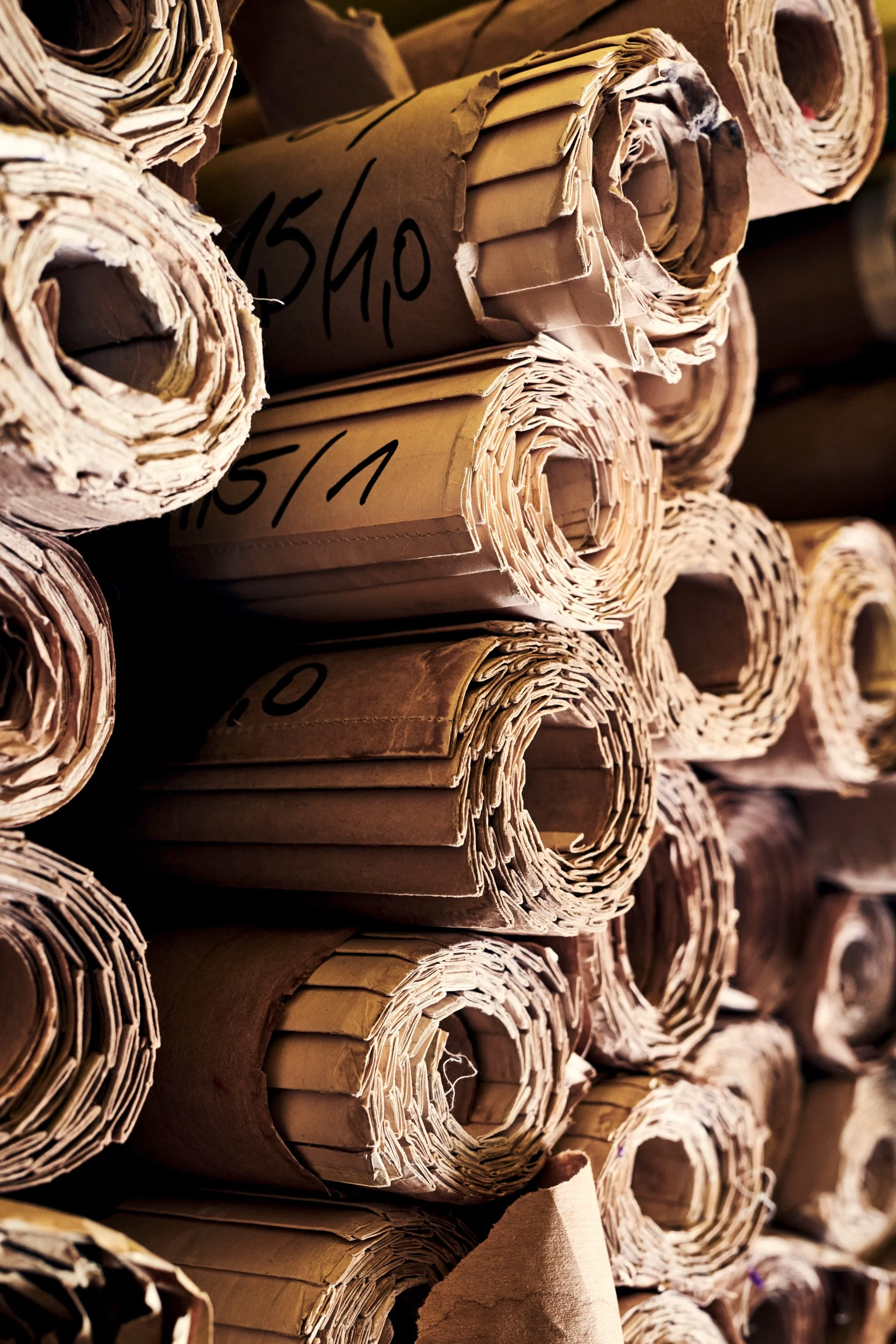
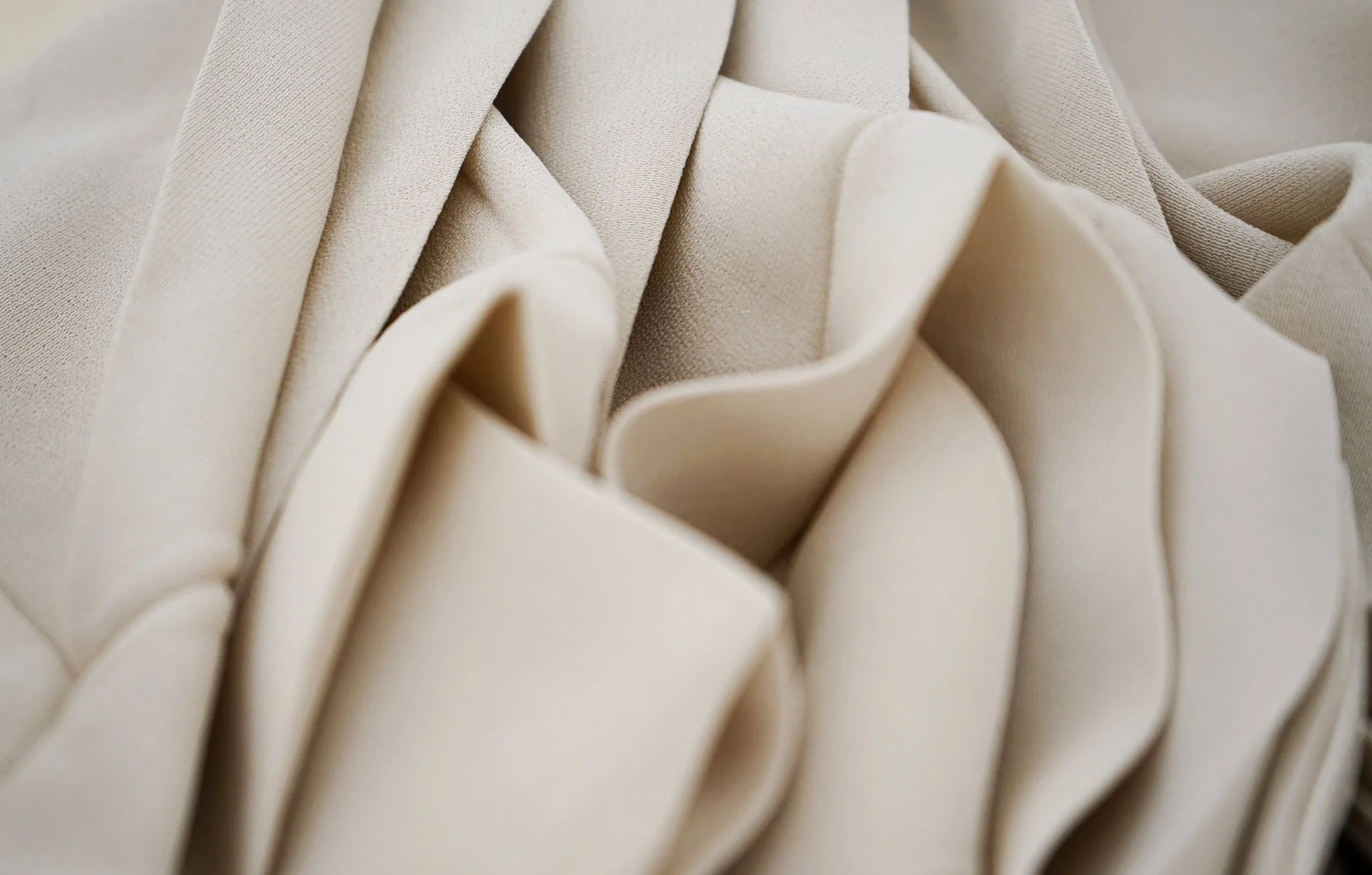
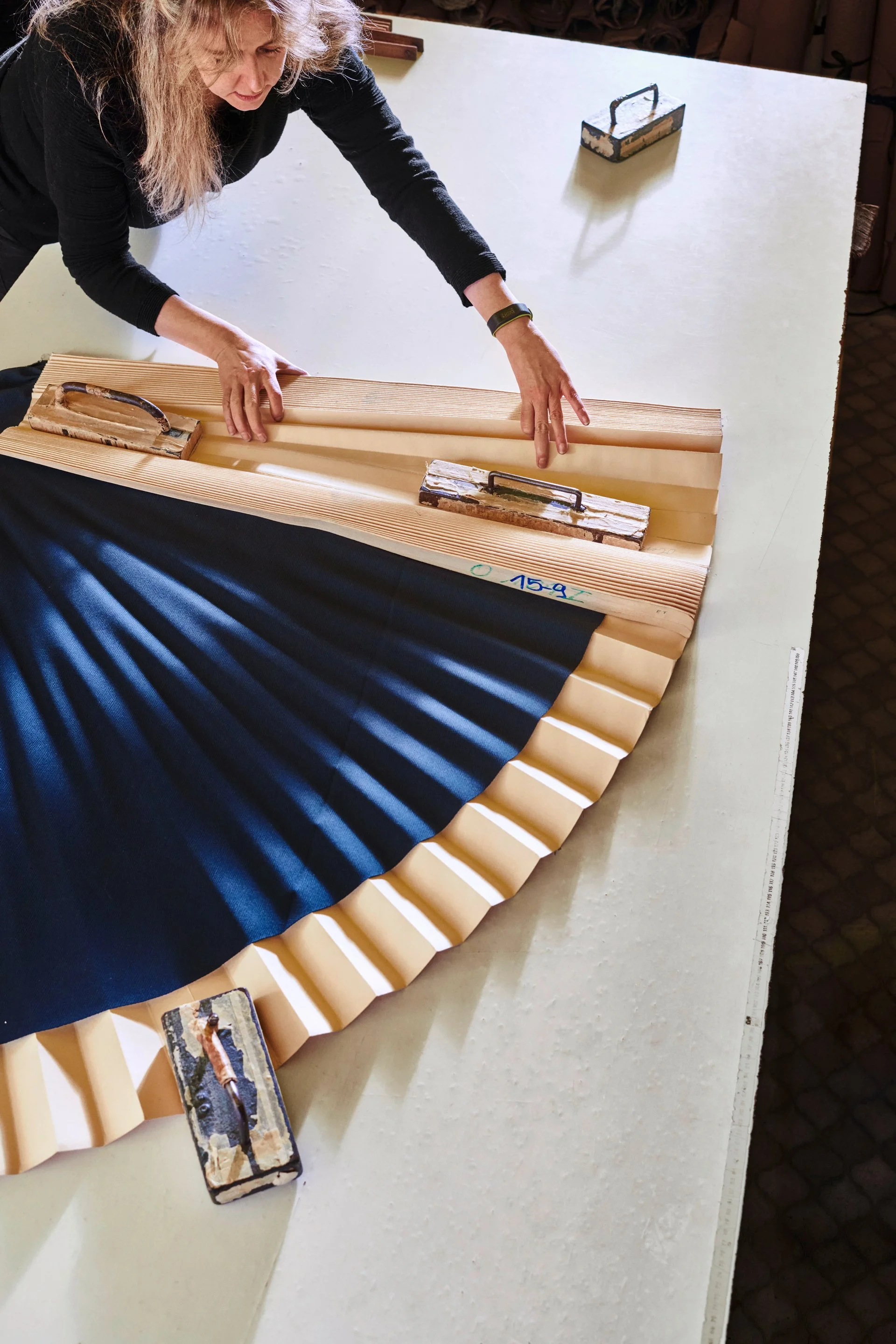
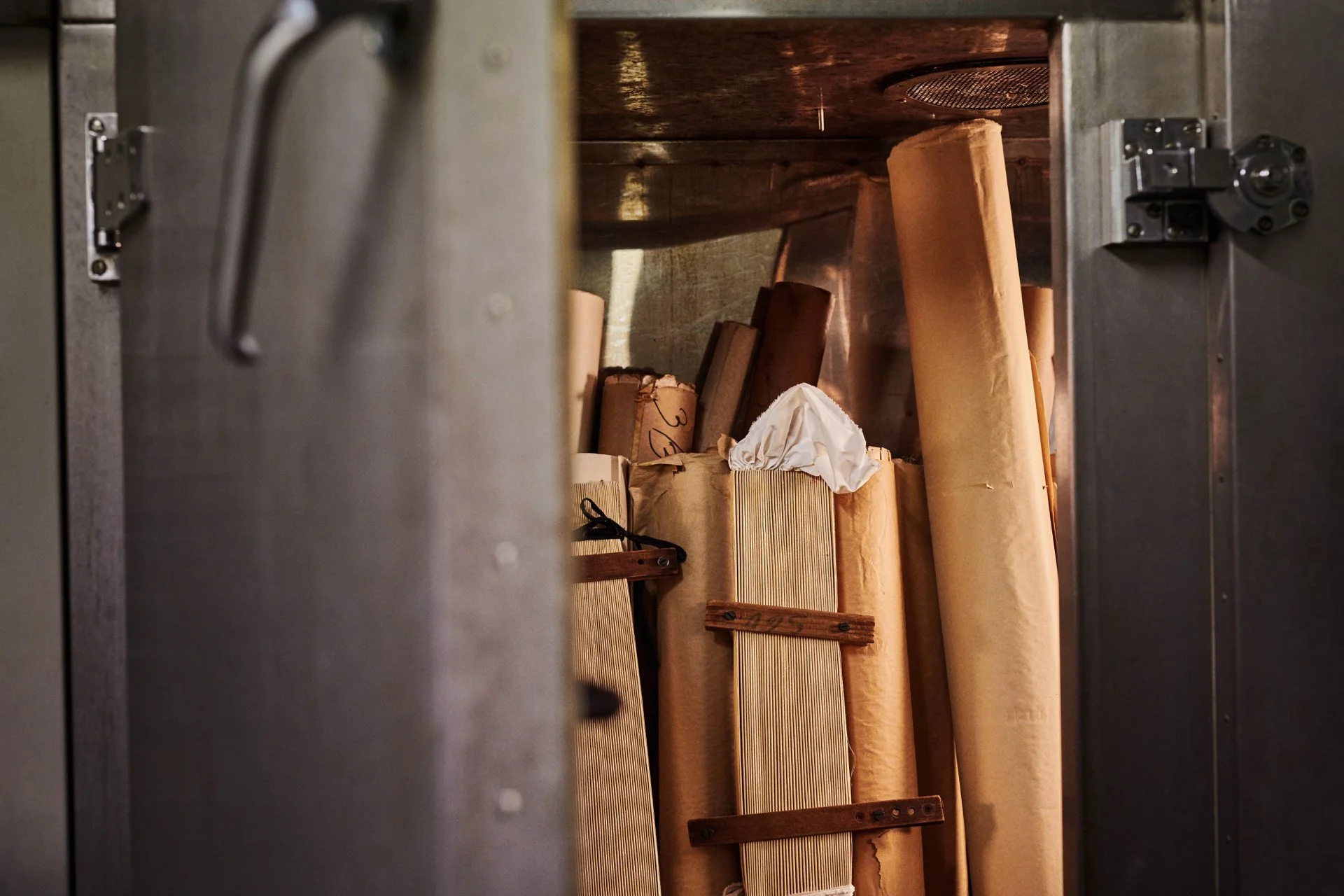
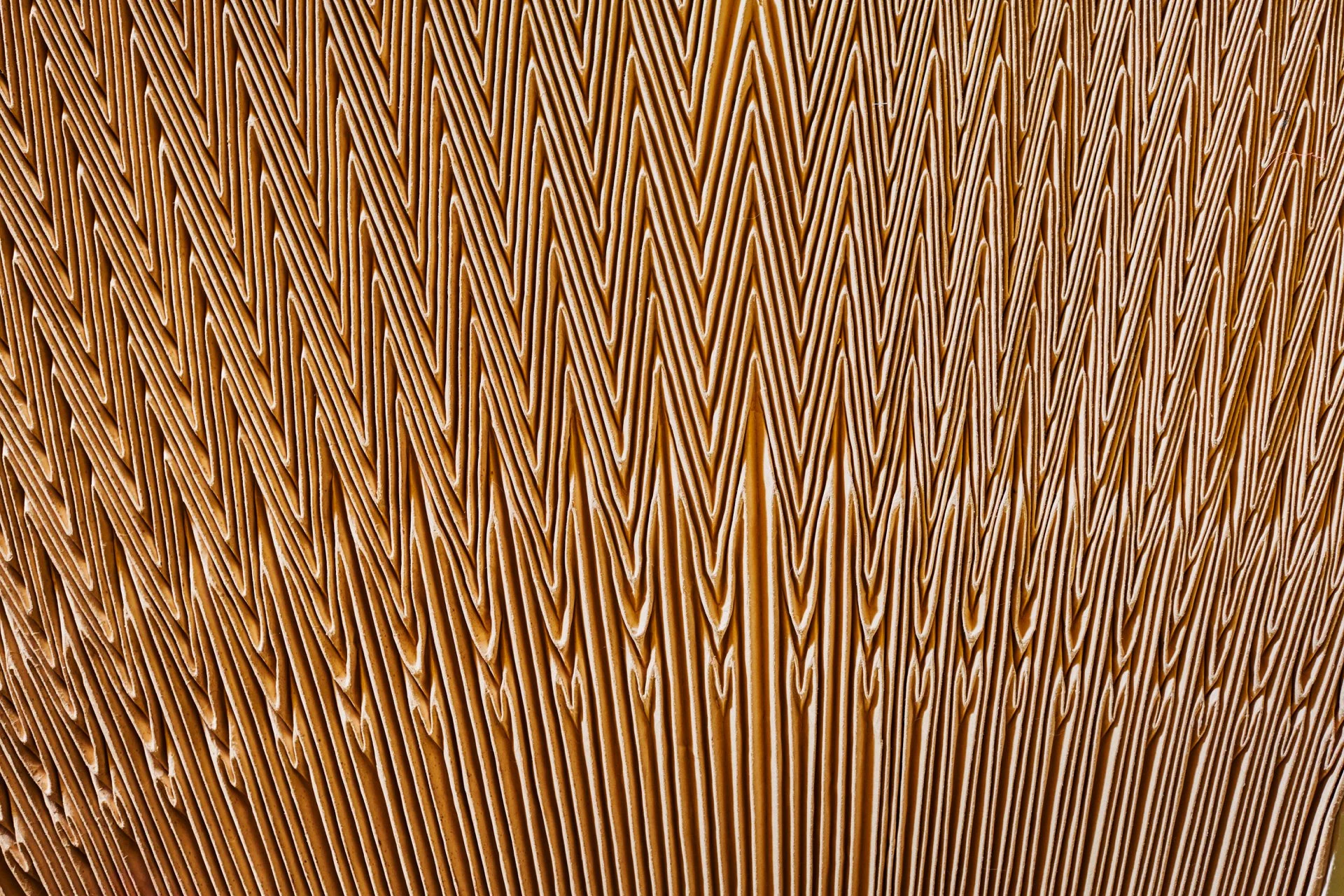
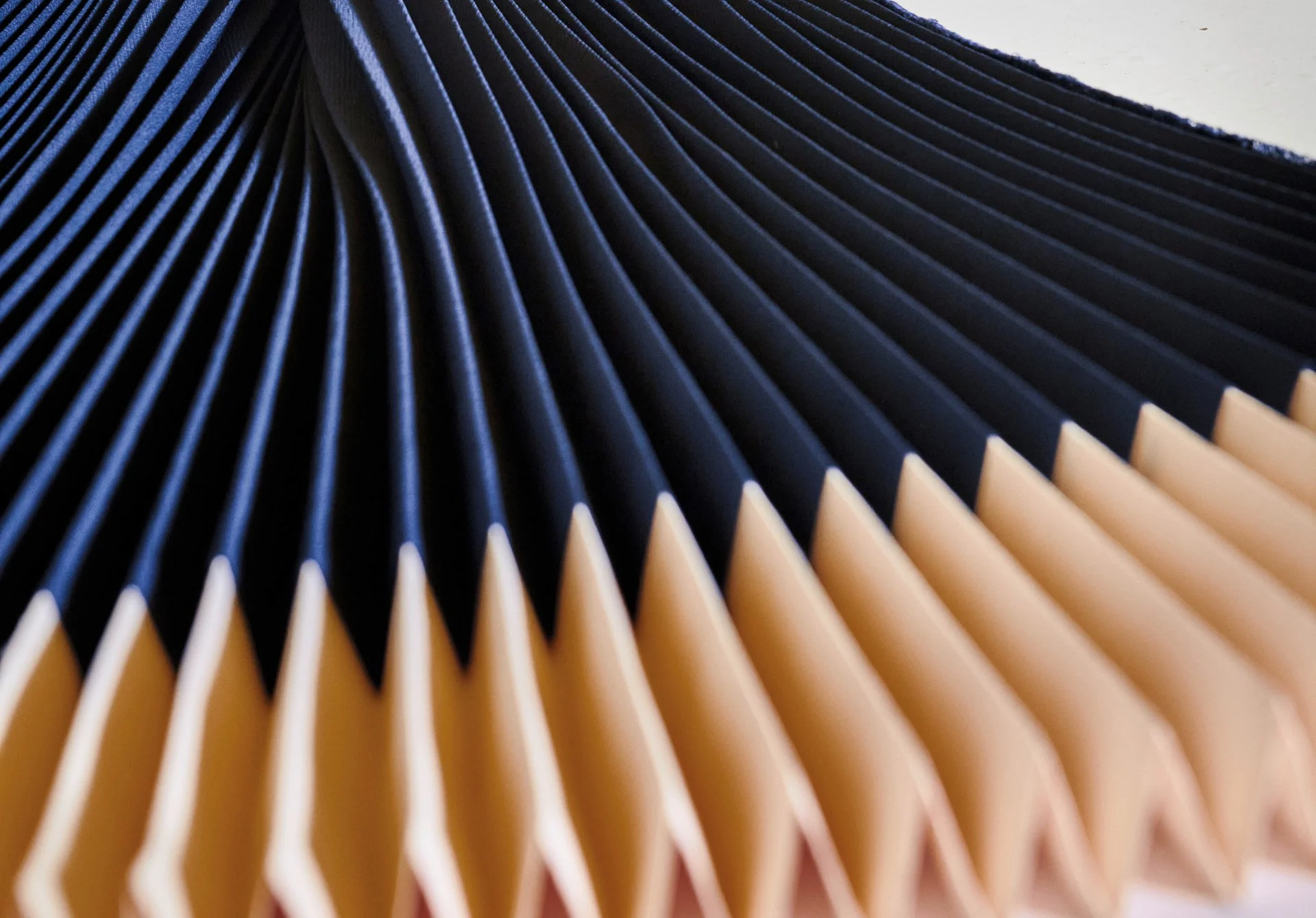
Pleats are multiple folds introduced to a garment to make it visually distinct by adding volume and movement. The earliest examples of pleating can be found on linen robes traced back to ancient Egypt. The traditional art of pleating involves gathering and securing numerous folds on a piece of fabric by pressure, temperature and steam. The term Plissée itself originates from the French word pli, for pleat, derived from plier, to fold. Plissée originally referred to a fabric that was woven or gathered into pleats. It is also widely known as crinkle crêpe.
In Germany only a few studios remain committed to the traditional craft of pleating. One of them is the Gießmann pleating workshop in Berlin’s Charlottenburg district. Producing both hand- and machine-made pleats, the family firm is managed by Sigrid Gießmann and her daughter Stefanie John. Their clients include several haute couture and fashion companies as well as over three hundred opera houses, theatres, and film studios from all over Europe. To feature the pleating technique, made/in collaborated with the Gießmann atelier to create two striking garments working with traditional craft practices. This partnership resulted in a pleated version of the made/in signature shirt with detachable front panels and a top constructed by using handmade sunray pleats in a unique way.
Photography: Astrid Grosser
Block printing
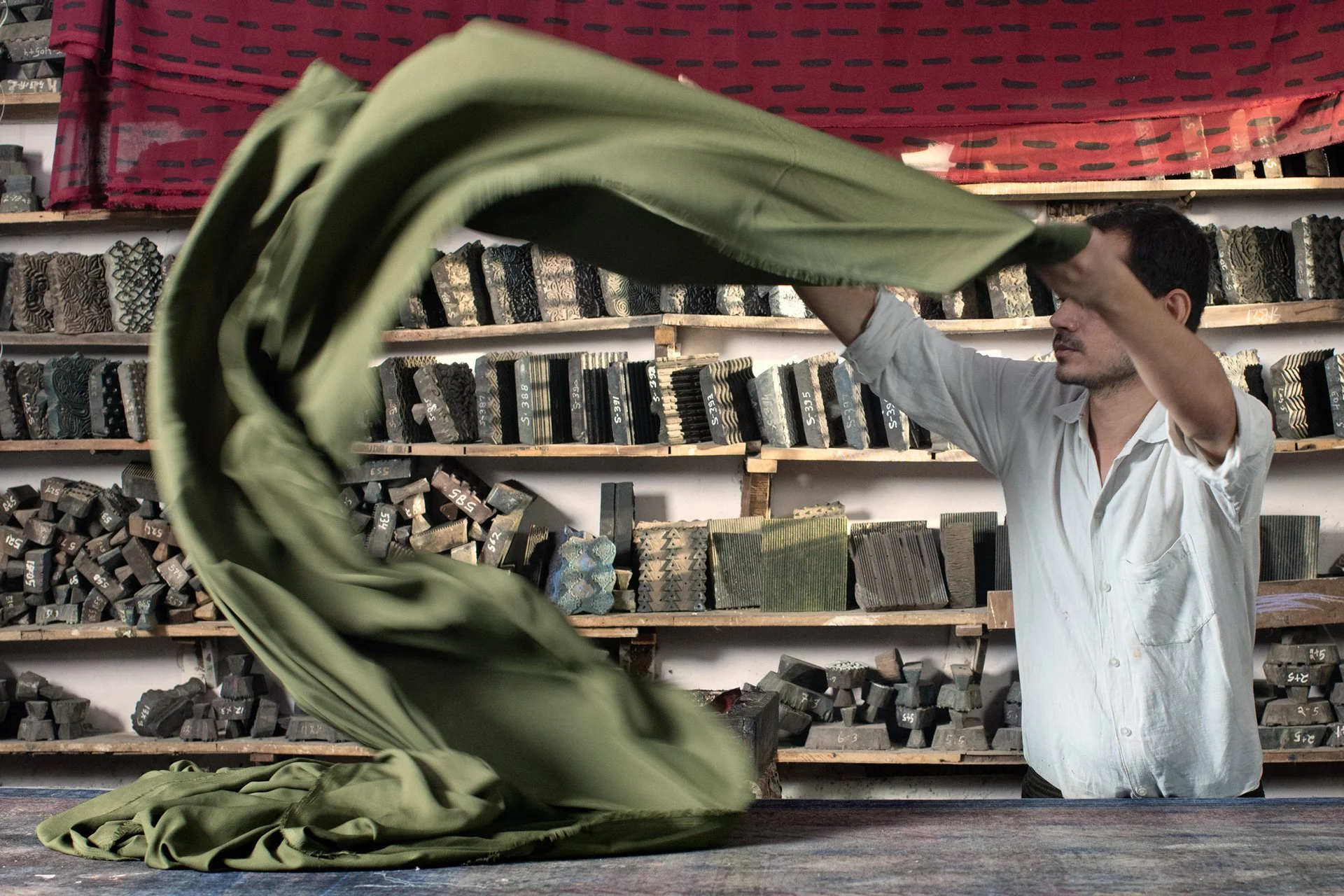
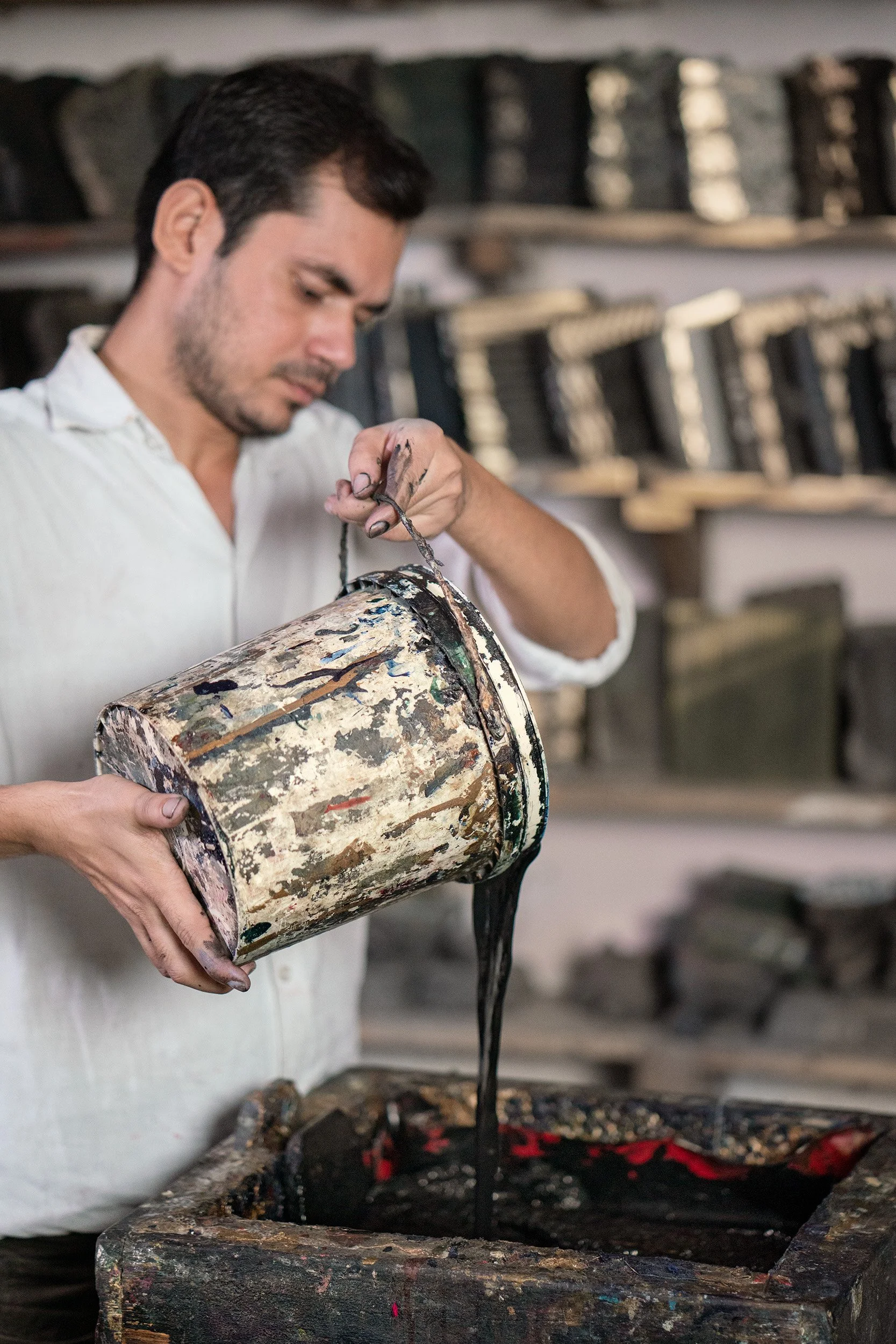
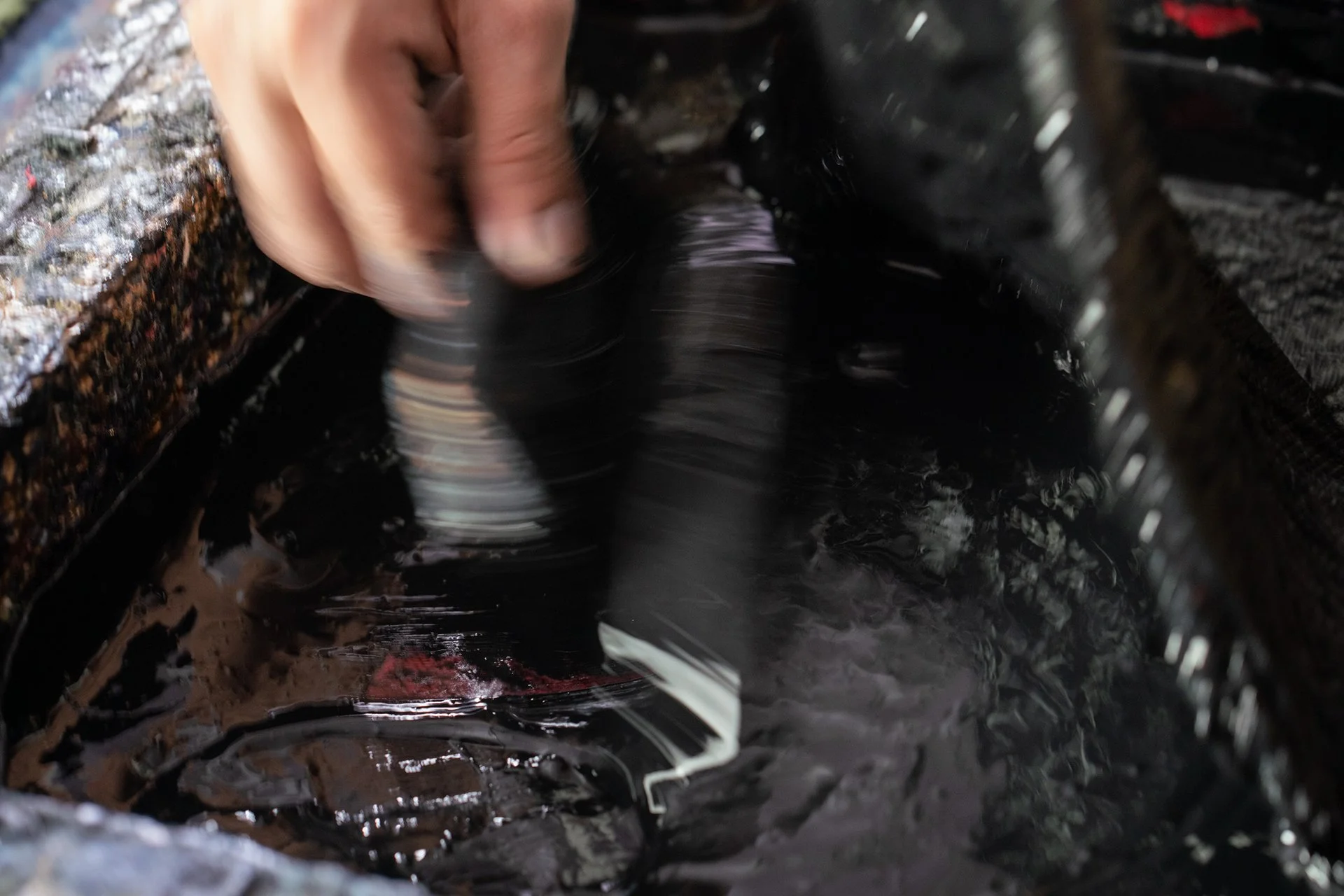
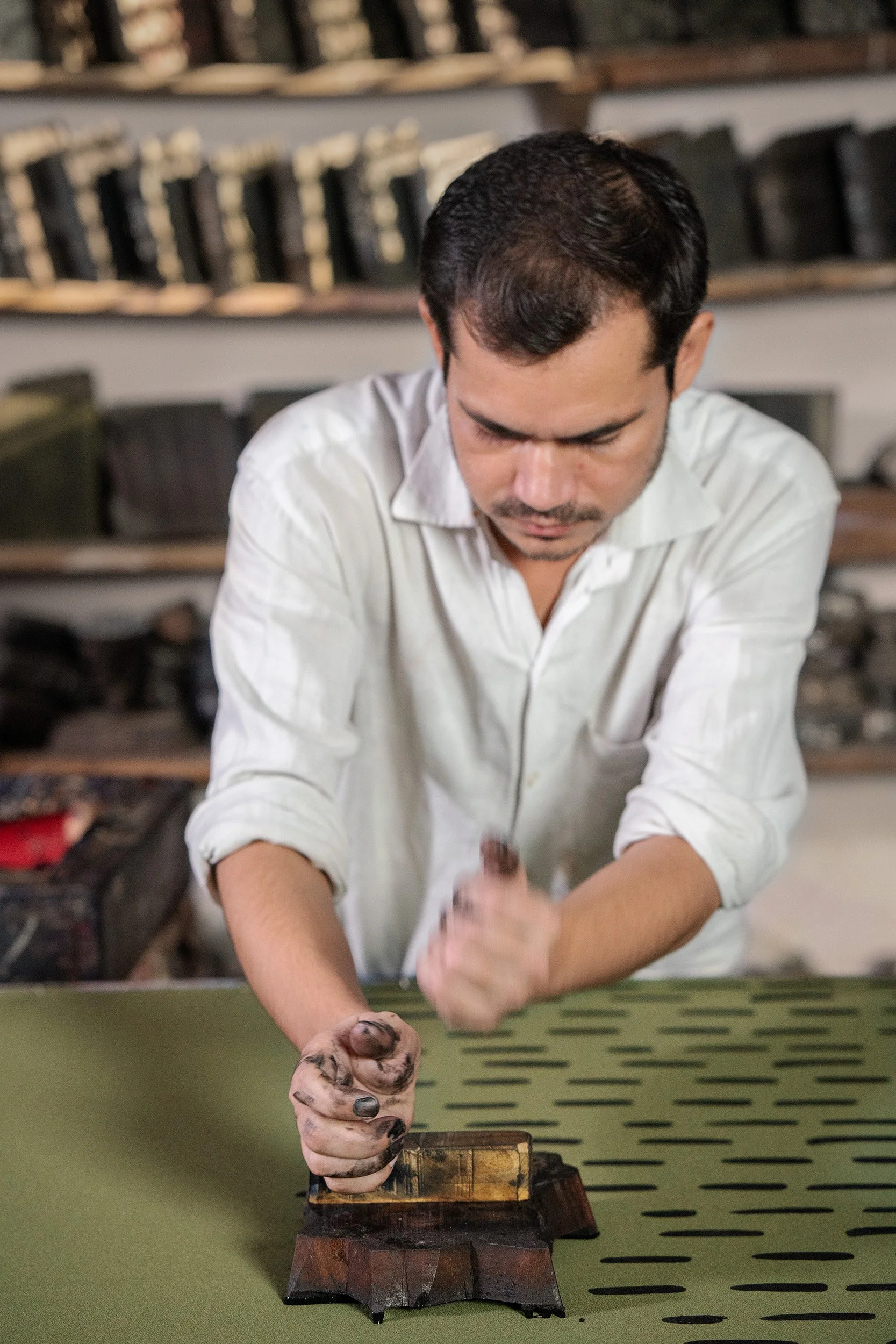
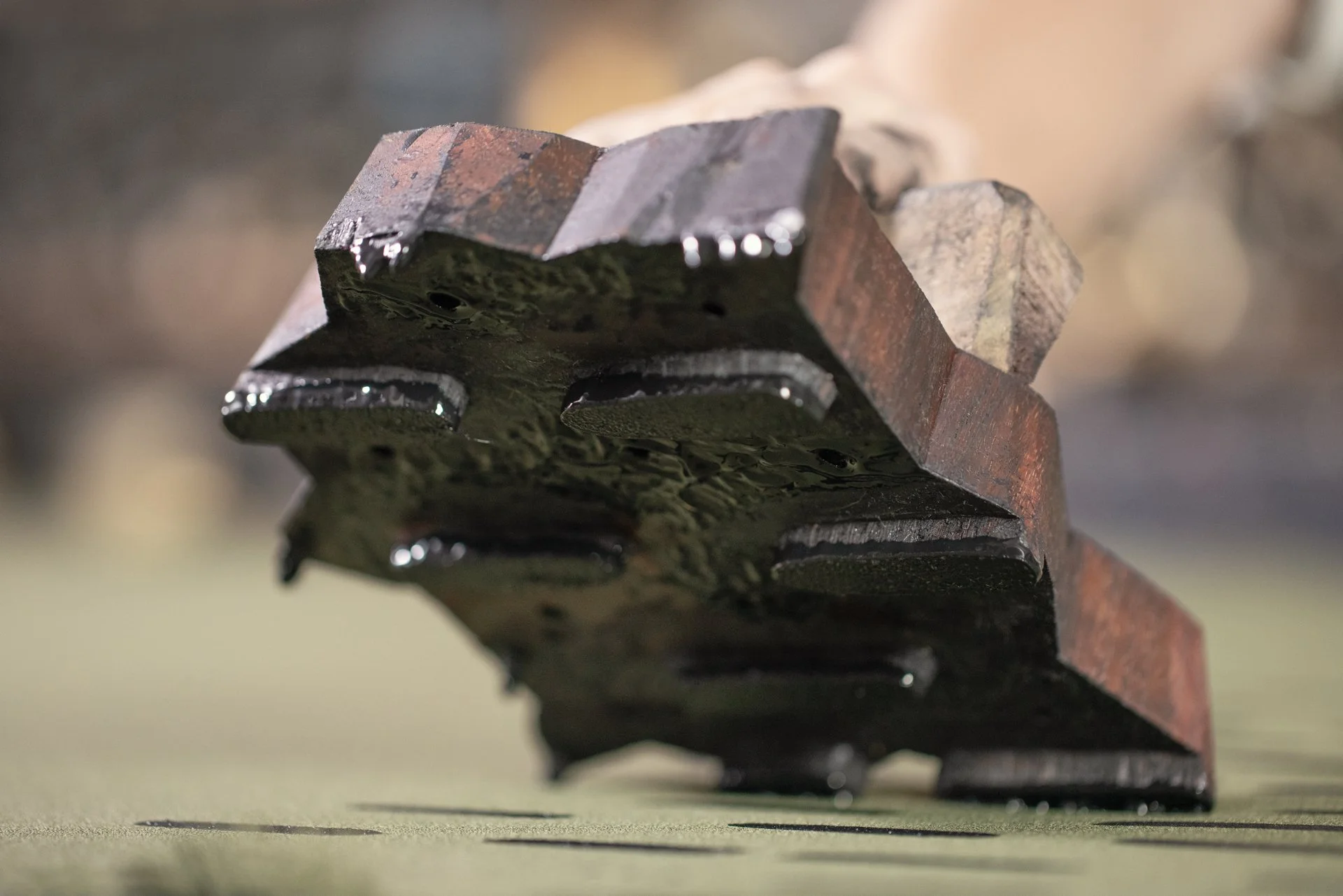
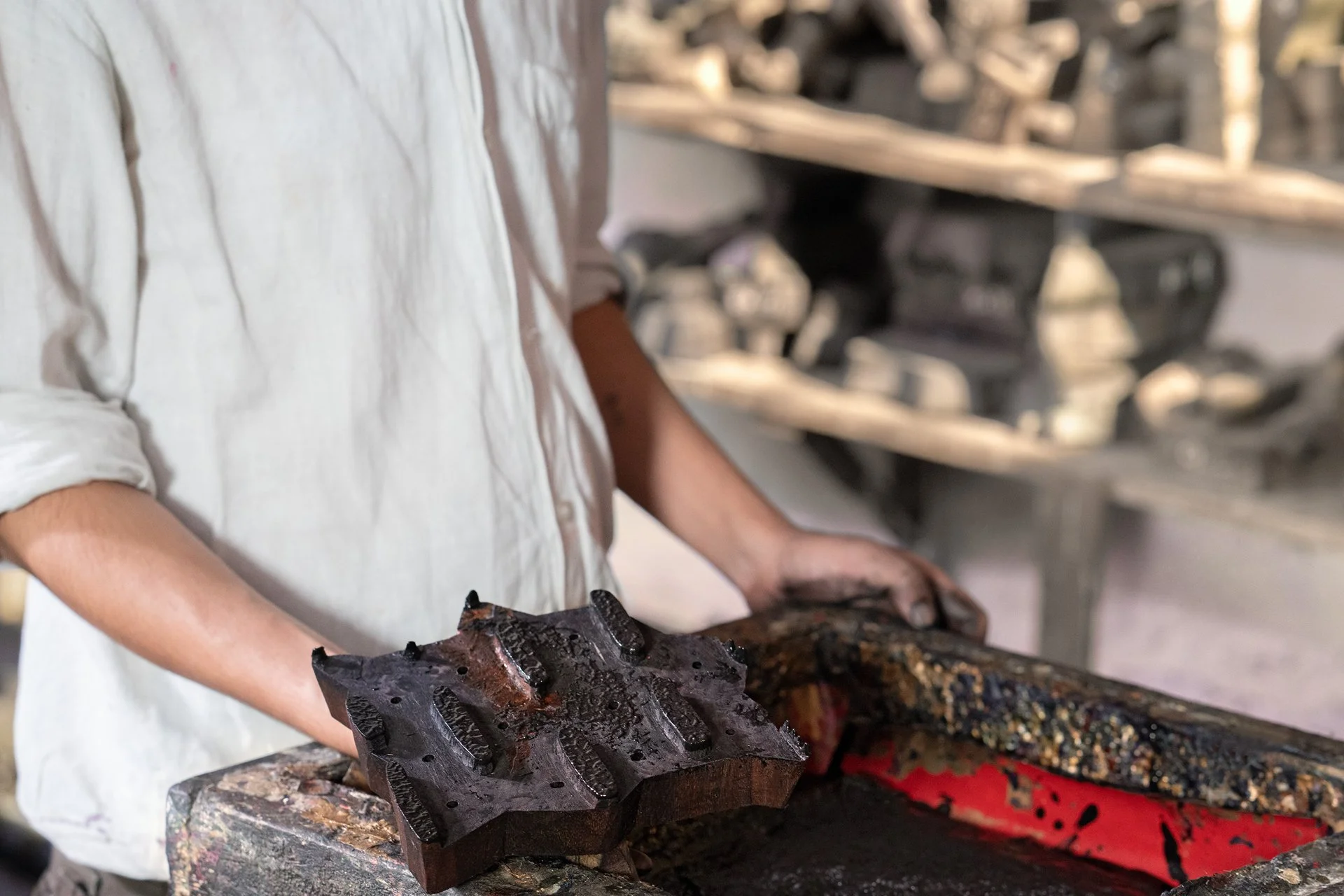
Textiles decorated with hand-block printing have been synonymous with India for many centuries. The earliest evidence of this vibrant and rich tradition dates back to the ninth century BCE. (Printed cloth fragments originating in Gujarat were unearthed at a burial site in Fustat, Egypt.) The art of printing fabrics on the subcontinent, however, goes all the way back to the Indus Valley Civilization. Over the course of history, trade in these magnificent stamped fabrics made the Indian subcontinent a vital commercial hub for merchants and traders from around the world.
Photography: Shovan Gandhi